Bengaluru Woman Allegedly Loses ₹98,000 in Online Curd Order Scam
A 56-year-old woman in Bengaluru allegedly lost ₹98,000 after trying to get a refund for a damaged curd packet ordered online. She reportedly contacted a fake customer care number found online, leading to fraudsters taking money from her bank account.
By The Junior Post
Published
Recommended for ages 10+. Editorial guidance, not a guarantee of individual suitability.
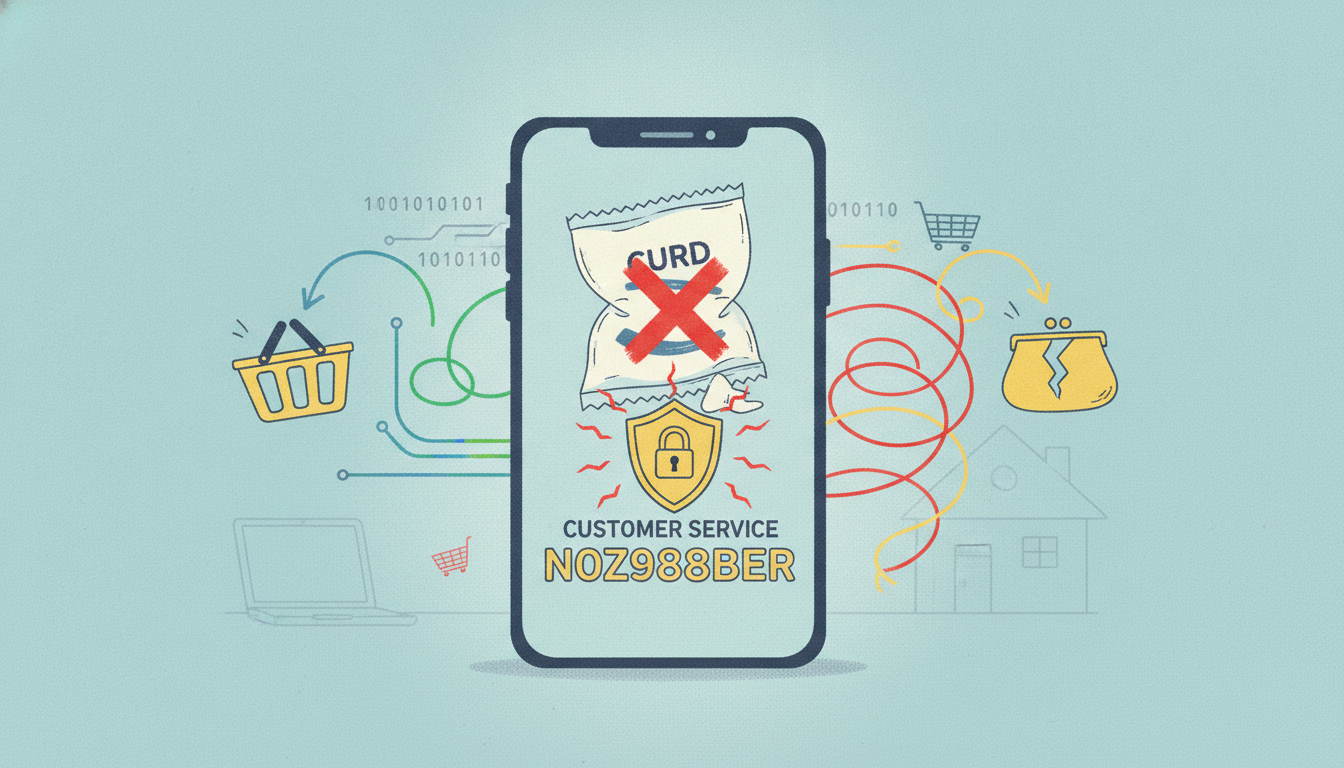
A 56-year-old woman in Bengaluru reportedly lost ₹98,000 after ordering curd through an online delivery service, Blinkit. The curd packet she received was damaged, and she wanted to get a refund.
To get help, she searched online for a customer care number for Blinkit. The number she found led her to someone who claimed to be a customer service representative. This person then sent her a link on WhatsApp.
She was asked to upload a photo of the damaged curd packet through the WhatsApp link, which she did. After this, another person contacted her, saying the refund process was happening and asked her to check her digital payment account balance.
During this process, money was taken from her bank account. She later reported the incident to the Central CEN police station in Bengaluru on October 23. A case has been registered regarding impersonation and cheating.
Knowledge Vault
Online Fraud
Online fraud is when someone uses the internet to trick people into giving them money or personal information. This can happen through fake websites, emails, or messages that look real. It's important to be careful and check if a website or message is truly from the company it claims to be.
Customer Care Scams
Customer care scams happen when fraudsters pretend to be customer service representatives from a company. They might create fake phone numbers or websites to trick people who are looking for help. They often ask for personal details or tell people to click on links that can steal their money.
Digital Payment Security
Digital payment security means keeping your money safe when you use online payment methods. This includes never sharing your banking password, UPI PIN, or One-Time Passwords (OTPs) with anyone. Official companies will never ask for these details over the phone or through unverified links.
Check your understanding
- What was the initial problem the woman faced with her order?
- The curd packet was too small.
- The curd packet was damaged.
- The curd was expired.
- She received the wrong item.
- How did the fraudsters allegedly get the woman's money?
- They met her in person.
- They sent her a WhatsApp link and guided her through a process.
- They stole her phone.
- They hacked into her computer.
- What is a safe way to contact an online delivery service for help?
- Search for a number online and call it.
- Ask a friend for their customer care number.
- Use the official app's help or support option.
- Reply to an email from an unknown sender.