Why Does Your Heart Beat Faster When You Exercise?
When you exercise, your heart beats faster to pump more blood, which carries oxygen, to your muscles. This change is controlled by signals from your nervous system and hormones, helping your body adapt to its increased need for oxygen and nutrients.
By The Junior Post
Explainer · First published
Recommended for ages 10+. Editorial guidance, not a guarantee of individual suitability.
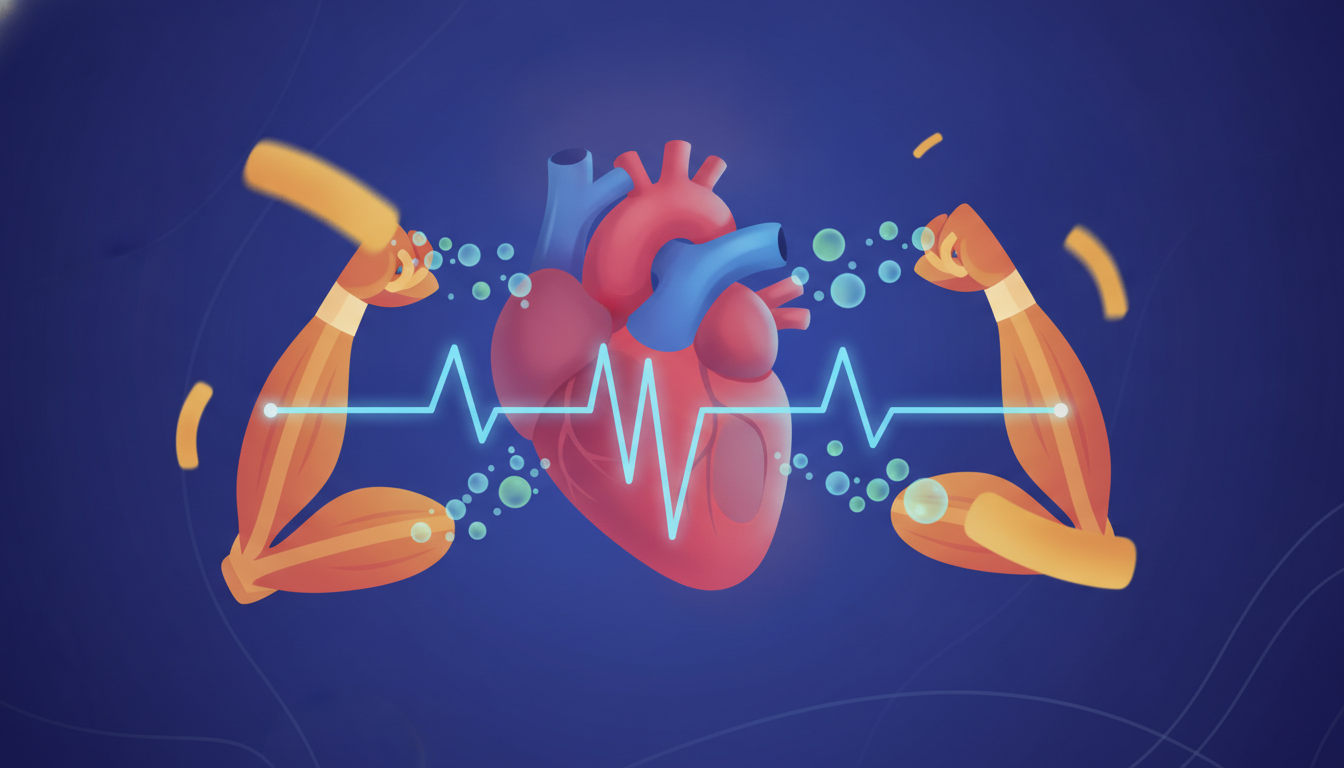
Your heart beats to pump blood to your lungs and the rest of your body. This pumping action is called a heartbeat. The speed at which your heart beats is known as your heart rate or pulse.
When you exercise, your muscles work harder and need more oxygen. To meet this demand, your heart beats faster. A faster heartbeat means more blood is pumped, delivering more oxygen to your active muscles.
The speed and strength of your heartbeats are controlled by signals from your body's nervous system and special substances called hormones from your endocrine system. These controls help your heart adjust to how much oxygen and nutrients your body needs at any moment.
Your heart has its own special electrical system, called the cardiac conduction system. This system sends electrical signals from the top of your heart to the bottom. Each signal causes your heart to contract and pump blood, setting the rate and rhythm of your heartbeat.
Knowledge Vault
Heartbeat
A heartbeat is the contraction of your heart that pumps blood to your lungs and the rest of your body. This action is controlled by the heart's electrical system.
Heart Rate (Pulse)
Your heart rate, also known as your pulse, is the number of times your heart beats in one minute. It can change depending on your body's needs, such as during exercise.
Cardiac Conduction System
The cardiac conduction system is a special electrical system within your heart. It controls the rate and rhythm of your heartbeat by sending electrical signals from the top to the bottom of the heart, causing it to contract and pump blood.
Check your understanding
- What is the main reason your heart beats faster during exercise?
- To make your muscles stronger.
- To get more oxygen to your muscles.
- To help you breathe faster.
- To cool down your body.
- Which systems in your body help control how fast your heart beats?
- Digestive and skeletal systems.
- Respiratory and immune systems.
- Nervous and endocrine systems.
- Lymphatic and integumentary systems.
- What is another name for your heart rate?
- Blood pressure.
- Pulse.
- Cardiac rhythm.
- Diastolic pressure.