
Awá People Emerge from Amazon, Seeking Food Amid Growing Threats
Around 20 members of the uncontacted Awá Indigenous people in Brazil's Amazon rainforest have made contact with villagers, asking for food. This rare encounter highlights the increasing pressure on their territory from illegal logging, hunting, and ranching, which is forcing self-sufficient tribes to seek help and exposing them to serious health risks.
By The Junior Post
Published
Recommended for ages 10+. Editorial guidance, not a guarantee of individual suitability.
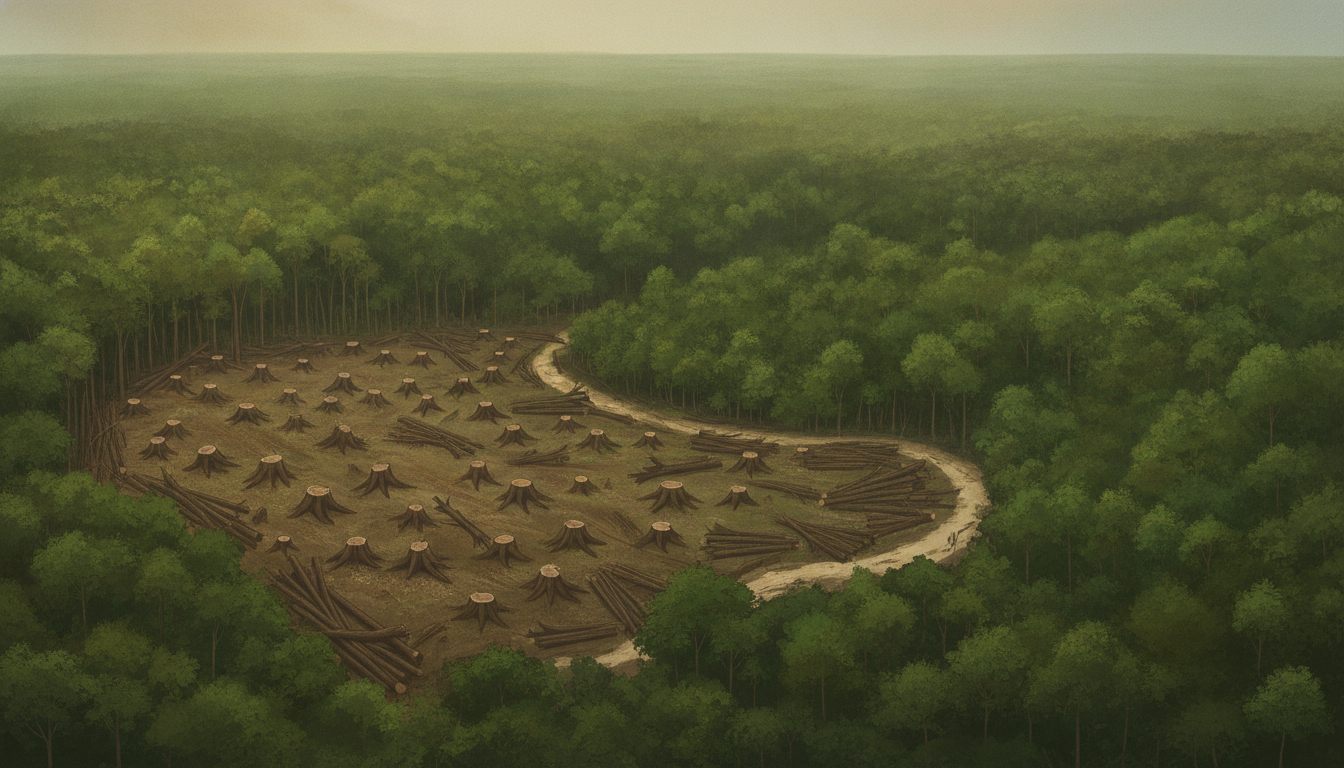
Around 20 members of the Awá Indigenous people, an uncontacted tribe in Brazil's Amazon rainforest, recently emerged from their isolation to make contact with villagers. This rare event, reported by the non-profit advocacy group Survival International, occurred on Monday in a village within the Arariboia Indigenous territory in the north-eastern state of Maranhão.
The Awá group, which included men, women, and children, approached a government team and asked for yams before returning to their forest home. This encounter has raised serious concerns among Indigenous rights advocates, who warn that increasing invasions into the Awá's territory by illegal loggers, hunters, and cattle ranchers are forcing these self-sufficient people to seek help and exposing them to potentially deadly diseases.
The Awá are one of the world's last remaining uncontacted Indigenous tribes, with an estimated 100 of their approximately 350 members living without regular contact with the outside world. They are nomadic hunter-gatherers who depend entirely on the forest for their food and resources. Their territory has faced decades of pressure, leading to significant deforestation and degradation of their traditional lands.
Brazil's Indigenous affairs agency, FUNAI, which is responsible for protecting Indigenous peoples' interests and rights, is reviewing videos and accounts of the encounter. FUNAI's policy is generally one of non-contact with isolated tribes to protect their culture and health, and they have activated a contingency plan to minimize health risks. However, advocates like Survival International emphasize that the Brazilian government must commit more resources to protect the Arariboia region from illegal activities.
The Guajajara Indigenous community, known as the Forest Guardians, have been actively working to protect the Arariboia territory, often at great personal risk, against illegal loggers and ranchers. Their efforts are crucial in safeguarding the Awá and their shrinking forest home.
Knowledge Vault
Voluntary Isolation
Voluntary isolation refers to the choice of certain Indigenous communities to live without sustained contact with the outside world. These groups often rely on traditional ways of life, such as hunting and gathering, and their isolation helps preserve their unique cultures and protects them from diseases to which they have no immunity.
Threats to Indigenous Territories
Indigenous territories, particularly in the Amazon, face significant threats from illegal activities like logging, mining, and cattle ranching. These activities lead to deforestation, pollution, and the destruction of natural resources, directly impacting the ability of Indigenous communities to sustain their traditional way of life.
Importance of Indigenous Land Demarcation
Land demarcation is the process of officially setting and protecting the boundaries of Indigenous territories. This is crucial for safeguarding the rights of Indigenous peoples to their ancestral lands, preserving their cultures, and protecting them from external threats and exploitation.
Quick check
Three questions
Check your understanding with three questions about this story.
Practice for fun. Ask a parent to create a free family account to save your scores and badges.
What is the main reason the Awá people are making contact with outsiders?
- They want to learn new languages.
- Their territory is being threatened by illegal activities.
- They are looking for new places to live.
- They want to share their culture with others.
What is FUNAI's primary role regarding isolated Indigenous tribes?
- To encourage them to join modern society.
- To protect their rights and maintain their isolation.
- To teach them new hunting techniques.
- To help them find new resources outside their land.
Why is contact with outsiders potentially dangerous for uncontacted tribes?
- They might get lost in new areas.
- They are vulnerable to diseases they have no immunity to.
- They might not understand new languages.
- They could be overwhelmed by new technologies.
Choose your answers and check your score in the interactive quiz when it finishes loading.