
Blinkit Introduces Fee for Non-Emergency Ambulance Services
Blinkit has announced a new fee for its ambulance services when used for non-emergency situations. This change aims to ensure that ambulances are available for critical medical needs, as the company observed many bookings for routine purposes.
By The Junior Post
Published
Recommended for ages 10+. Editorial guidance, not a guarantee of individual suitability.
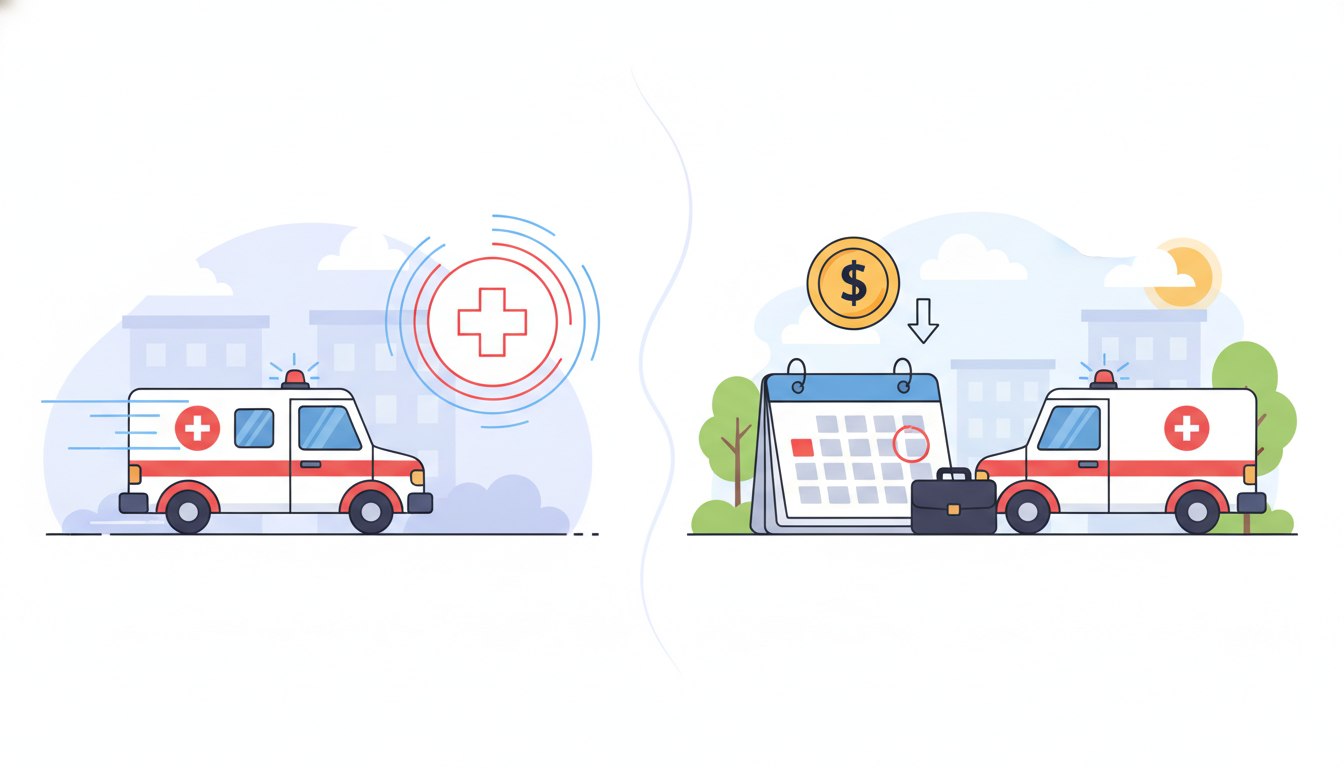
Blinkit, a company known for quick deliveries, has introduced a fee for its ambulance service when it is used for non-emergency reasons. This announcement was made by Deepinder Goyal, who is the vice chairman of Eternal, Blinkit's parent company, on November 5, 2026.
The main reason for this change is to make sure that ambulances are available for serious medical emergencies. Blinkit observed that many people were booking ambulances for routine things, like going to doctor appointments, regular health check-ups, or transfers from a hospital back home. These uses, while helpful, mean that a fully equipped emergency ambulance with paramedics might not be free for a life-threatening situation.
Mr. Goyal stated that every non-emergency booking keeps an ambulance off the road when it could be needed for a critical event. The company expects that charging a fee will help reduce the number of non-emergency bookings, keeping their 10-minute ambulance service ready for urgent needs.
The fee is similar to what other private ambulance services usually charge. The money collected from these fees will go to the Eternal Foundation. This foundation will use the funds to support and grow the ambulance service. Blinkit also plans to make its ambulance service available in all major cities across India within the next two to four years.
Knowledge Vault
Emergency Services
Emergency services are special services that help people quickly in dangerous or urgent situations. This includes ambulances for medical emergencies, fire services for fires, and police for safety and crime. It's important for these services to be available when they are truly needed to save lives and prevent harm.
Resource Allocation
Resource allocation is about deciding how to use limited things, like ambulances or money, in the best way. When a resource is used for one purpose, it cannot be used for another. Companies and governments often make choices to ensure important resources are used where they are most needed, especially in critical situations.
Check your understanding
- Why did Blinkit introduce a fee for non-emergency ambulance services?
- To make more money for the company's profits.
- To ensure ambulances are available for critical medical emergencies.
- To encourage people to use other types of transport.
- To reduce the number of ambulances on the road.
- What kind of bookings did Blinkit observe that led to this change?
- Bookings for urgent accidents.
- Bookings for routine purposes like doctor consultations and check-ups.
- Bookings for long-distance travel.
- Bookings for pet emergencies.
- Where will the money collected from these non-emergency fees go?
- Directly to Blinkit's general operating budget.
- To the Eternal Foundation to support and expand the ambulance service.
- To pay the salaries of the ambulance drivers.
- To reduce the cost of other Blinkit delivery services.