
Diwali: A Festival of Lights and New Beginnings
Diwali, also known as Dipavali, is a significant festival celebrated across India, symbolizing the victory of good over evil, light over darkness, and knowledge over ignorance. The five-day celebration involves various traditions, including cleaning homes, performing worship ceremonies, exchanging gifts, and lighting lamps.
By The Junior Post
Published
Recommended for ages 8+. Editorial guidance, not a guarantee of individual suitability.
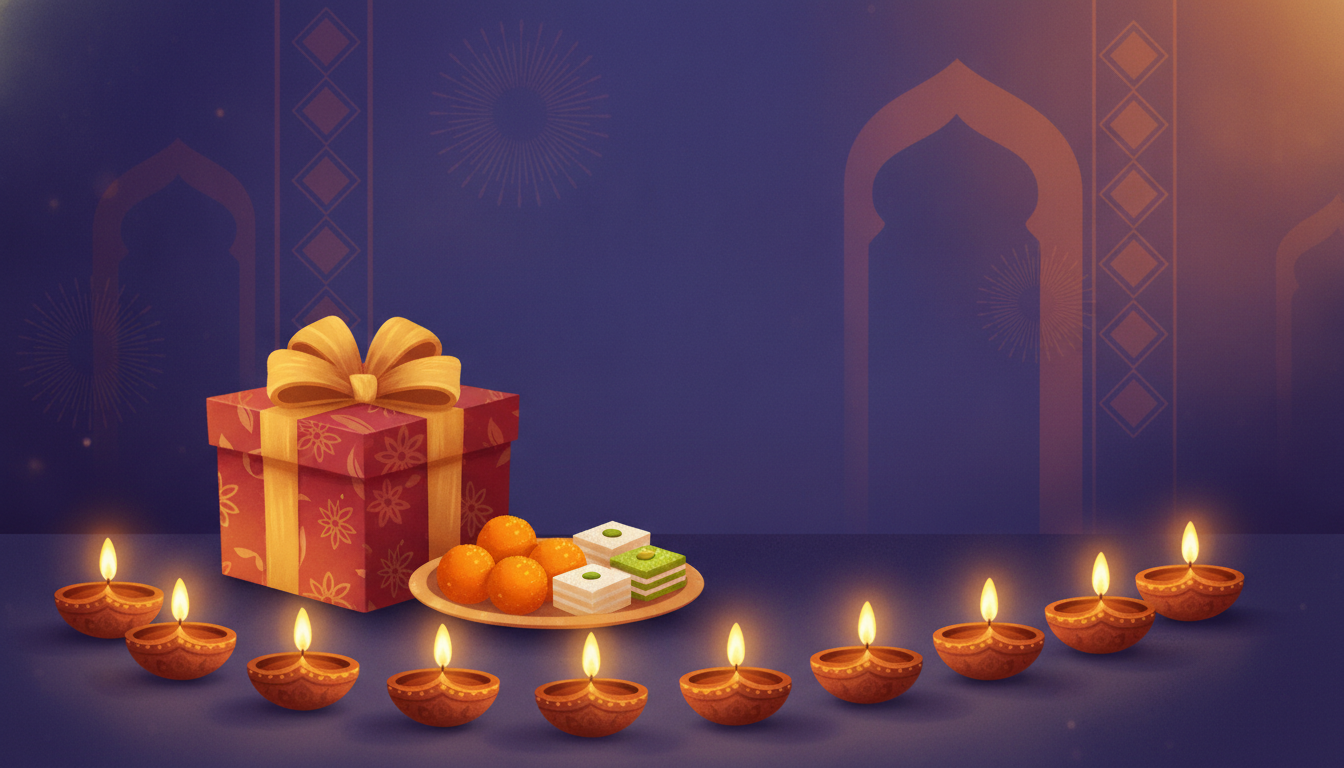
Diwali, which means "row of lights" in Sanskrit, is a major festival that celebrates the triumph of light over darkness, good over evil, and knowledge over ignorance. While the main idea of Diwali stays the same, the specific stories and ways people celebrate can be different depending on the region and community.
In northern India, Diwali celebrates the return of Lord Rama to Ayodhya after he defeated the demon king Ravana. In southern India, it marks Lord Krishna's victory over the demon Narakasura. Leading up to Diwali, people clean, renovate, and decorate their homes and workplaces.
The festival lasts for five days. The first day, called Dhanteras, involves cleaning homes and buying new things, often gold or silver, to welcome wealth. The second day, Naraka Chaturdashi or Choti Diwali, remembers the defeat of Narakasura and is a day for special baths and prayers.
The third day is the main day of Diwali. On this day, families perform Lakshmi Puja, a worship ceremony for Lakshmi, the goddess of wealth and prosperity, and Lord Ganesha. People wear new clothes, exchange gifts and sweets like laddus and barfis, and enjoy festive meals.
The fourth day, Govardhan Puja, celebrates Lord Krishna lifting a mountain to protect villagers. In some areas, this day also marks the start of a new year. The fifth and final day is Bhai Dooj, which celebrates the special bond between brothers and sisters.
Knowledge Vault
Symbolism in Festivals
Many festivals, like Diwali, have deep meanings or symbols. Diwali symbolizes the triumph of light over darkness, good over evil, and knowledge over ignorance. These symbols help people remember important values and stories.
Regional Variations in Celebrations
Even within the same country, how a festival is celebrated can change from one region to another. For example, the specific stories remembered during Diwali are different in northern and southern India, showing how local traditions shape wider celebrations.
The Five Days of Diwali
Diwali is not just one day but a five-day festival, with each day having its own special traditions and significance. These include cleaning homes, performing worship, exchanging gifts, and celebrating family bonds.
Check your understanding
- What is the meaning of the word "Diwali"?
- Festival of Colors
- Row of Lights
- Day of Sweets
- Victory of Good
- Which of these activities is typically done on the first day of Diwali, Dhanteras?
- Exchanging gifts and sweets
- Performing Lakshmi Puja
- Cleaning homes and buying new items
- Celebrating the bond between brothers and sisters
- How do the celebrations of Diwali differ in northern and southern India?
- Northern India celebrates Lord Krishna's victory, while southern India celebrates Lord Rama's return.
- Northern India focuses on cleaning homes, while southern India focuses on exchanging gifts.
- Northern India celebrates Lord Rama's return, while southern India marks Lord Krishna's victory.
- Northern India celebrates Bhai Dooj, while southern India celebrates Govardhan Puja.