
Don't Get Tricked! Why 'Flying Dinosaurs in Mexico, Australia & Los Angeles' and Other Online Hoaxes Go Viral
Have you ever seen a video online that seemed too amazing to be true, like a giant flying dinosaur soaring over a city? Recently, videos claiming to show pterodactyls in Mexico have gone viral, and similar hoaxes have popped up in places like Australia and Los Angeles. These kinds of sensational stories often spread quickly on social media, but they are usually fake. It's important to understand why people create and share these false stories and how you can spot them so you don't get tricked.
By The Junior Post
Published
Recommended for ages 10+. Editorial guidance, not a guarantee of individual suitability.
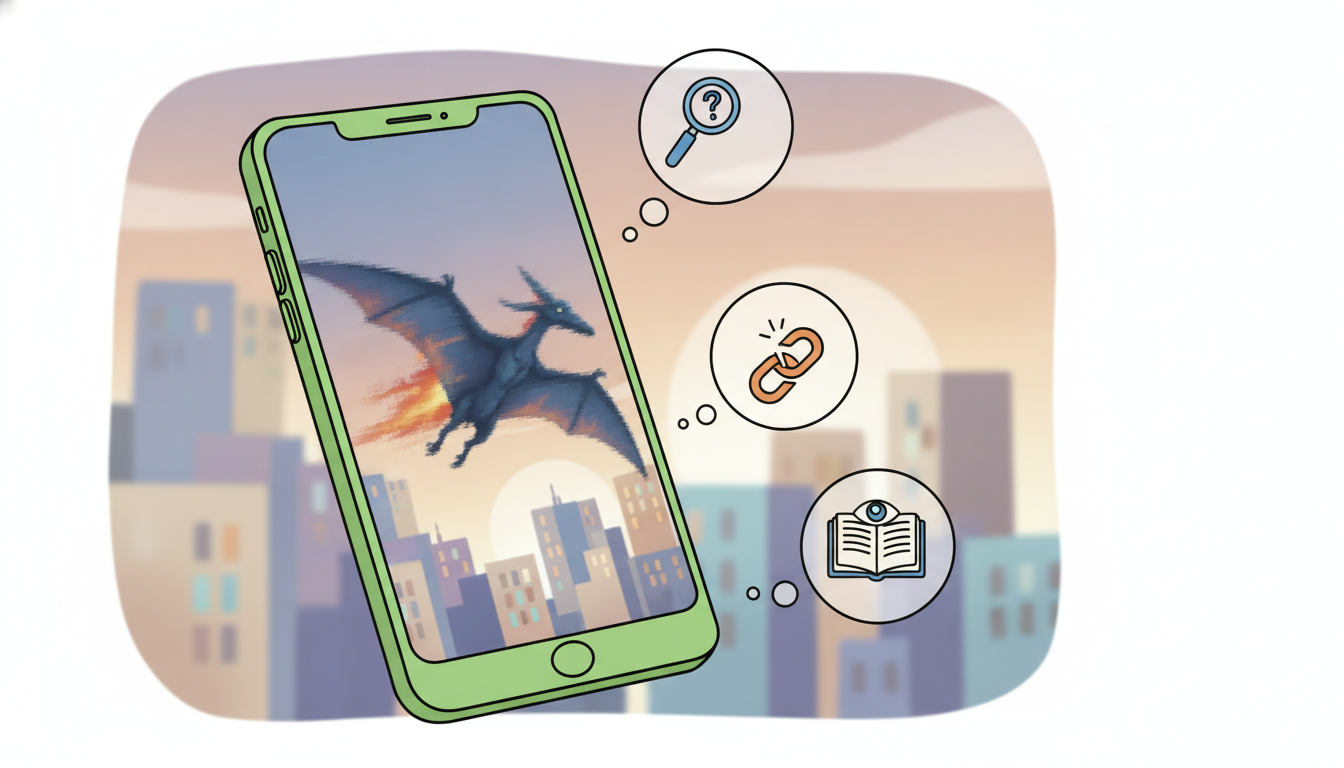
Imagine seeing a video online that shows a huge, winged creature flying over a city, like something out of a movie! Recently, videos claiming to show a 'pterodactyl' soaring over Ciudad Juárez, Mexico, became very popular on social media. These blurry videos sparked a lot of excitement and questions about whether prehistoric creatures could still exist. However, experts, including paleontologists and local authorities, quickly confirmed that these videos were not real.
Similar fake stories, or hoaxes, have appeared in other parts of the world, including Australia and even Los Angeles, often involving strange or impossible sightings. These kinds of posts are designed to grab your attention and make you want to share them. But why do people create and spread these fake stories?
One big reason is to get more views and engagement online. When a post is exciting or shocking, many people will click on it, share it, and comment on it. This activity can make the post go "viral," meaning it spreads very quickly to a huge audience. For some creators, more views can mean more money from advertisements on their pages or videos.
Sometimes, fake news is spread to trick people into clicking on bad links that can lead to scams or harmful websites. These links might try to steal your personal information or download viruses onto your device. Other times, people might share fake news without even realizing it's false, especially if it makes them feel strong emotions like anger or surprise, or if it matches what they already believe.
Social media platforms use special computer programs called algorithms that often show you content that is popular or that they think you'll like. This can sometimes mean that sensational or emotional fake news gets shown to even more people, making it spread faster.
So, how can you avoid falling for these online hoaxes? It's important to be a 'fact-checker' yourself! Always question what you see online, especially if it seems too unbelievable to be true. Check the source of the information: Is it a well-known, trustworthy news organization, or a website you've never heard of? Look for other reliable sources reporting the same story. If only one place is talking about it, it's probably not true.
Also, pay attention to the details. Are there strange spellings or grammar mistakes? Do the images look Photoshopped or fake? If a story makes you feel very angry or scared, take a moment to think before you share it, as these emotions can be used to trick you. By being careful and thinking critically, you can help stop the spread of fake news and keep the internet a safer place for everyone.
Knowledge Vault
Fake News and Misinformation
Fake news is false or misleading information presented as real news. Misinformation refers to false information shared unintentionally, while disinformation is false information shared deliberately to deceive or manipulate. These can include made-up stories, altered images or videos, and sensational headlines that aren't supported by facts.
Online Hoaxes
An online hoax is a trick or deception spread through the internet, often designed to make people believe something false or to get attention. These can range from funny pranks to harmful scams.
Fact-Checking
Fact-checking is the process of verifying information to determine if it is true and accurate. This involves looking at the source, checking for supporting evidence, and comparing information across multiple reliable sources. It's a key skill for identifying fake news and misinformation.
Quick check
Three questions
Check your understanding with three questions about this story.
Practice for fun. Ask a parent to create a free family account to save your scores and badges.
Why do some people spread fake news online?
- To help others find accurate information quickly.
- To get more views, make money, or trick people with scams.
- Because they always believe everything they read.
- To practice their writing skills.
What is one important step to take if a news story online seems too unbelievable to be true?
- Share it immediately with all your friends.
- Assume it's true because it's online.
- Check if other trusted news sources are reporting the same story.
- Ignore it completely and don't think about it.
How can strong emotions affect whether someone shares fake news?
- Strong emotions always make people more careful about what they share.
- Strong emotions make people less likely to share any news.
- Strong emotions can make people share fake news without checking if it's true.
- Strong emotions only affect how people feel, not what they share.
Choose your answers and check your score in the interactive quiz when it finishes loading.