
Gold Spot Returns: Coca-Cola Revives Classic Orange Drink in India After 26 Years
Coca-Cola is bringing back Gold Spot, a popular orange-flavored fizzy drink, to India after 26 years. The revived beverage is expected to be available in low-sugar or no-sugar versions, aiming to appeal to modern tastes and compete in India's growing beverage market. This move comes as consumers increasingly look for healthier drink options.
By The Junior Post
Published
Recommended for ages 10+. Editorial guidance, not a guarantee of individual suitability.
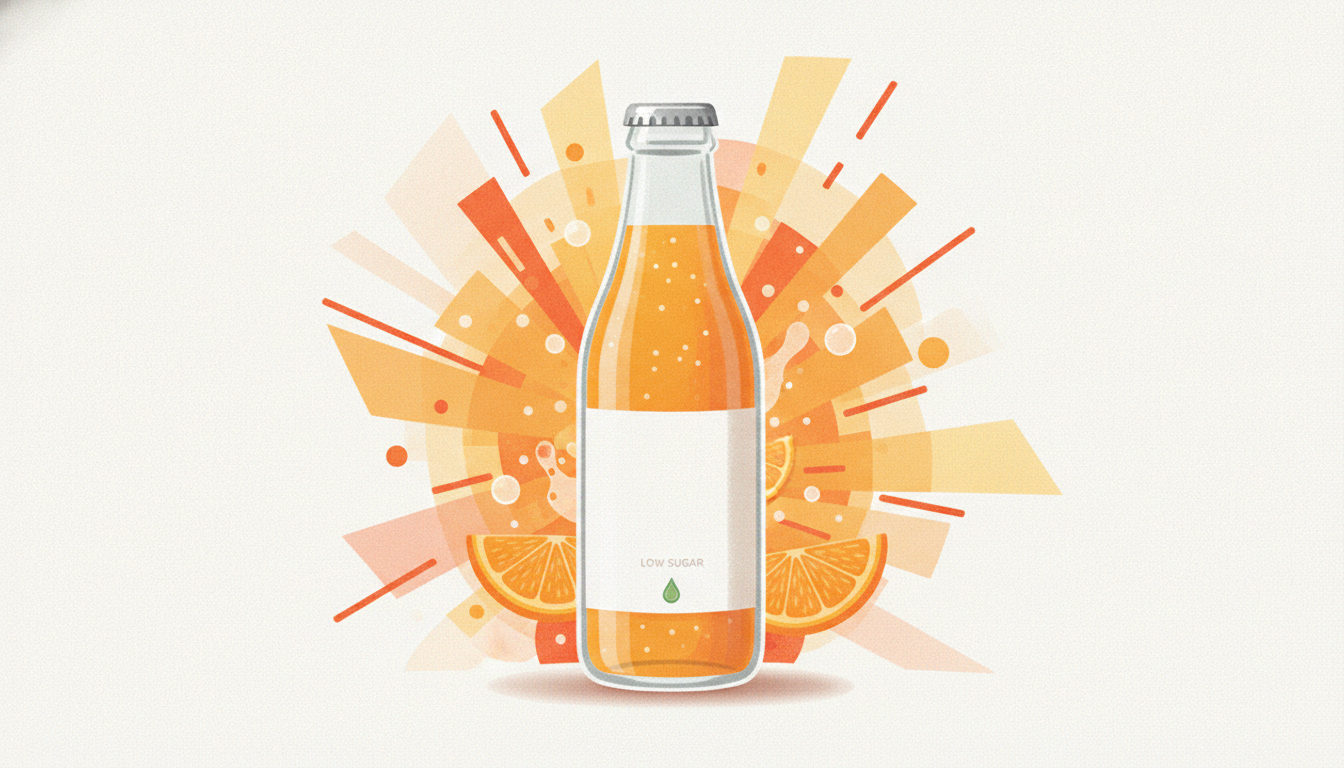
Get ready for a blast from the past! Coca-Cola is bringing back Gold Spot, a much-loved orange-flavored fizzy drink, to India after 26 years. This exciting return aims to refresh memories for older fans and introduce the classic taste to a new generation of drinkers.
Gold Spot was first created by Parle Products in 1952 and quickly became a popular choice, especially among children and young adults. Its catchy tagline, 'The Zing Thing', was well-known. However, after Coca-Cola acquired the brand from Parle Bisleri in 1993, Gold Spot was eventually discontinued by 2000. This decision was made to help Coca-Cola's global orange drink, Fanta, become the main orange soda in the market.
Now, Gold Spot is set to make its comeback with a modern twist. The revived drink is expected to be available in low-sugar or no-sugar versions. This change is important because more and more people are looking for healthier drink options, and new rules are being considered in India to label foods and drinks with high sugar content.
The beverage market in India is seeing a lot of new competition. Brands like Reliance Industries' Campa, Lahori Zeera, and others are challenging established companies like Coca-Cola and PepsiCo. By bringing back Gold Spot with a healthier option, Coca-Cola hopes to attract consumers who are mindful of sugar intake, without competing directly with its existing Fanta brand.
Speculation about Gold Spot's return grew after social media posts showed former India cricket captain MS Dhoni and his wife, Sakshi Dhoni, with cans of the drink. While it's not yet clear if Dhoni will officially endorse the brand, the posts certainly got people talking and excited about the drink's potential comeback.
This re-launch highlights a growing trend where companies use the nostalgia of old brands to connect with consumers. It also shows how important it is for beverage companies to offer a variety of choices, especially those with reduced sugar, to keep up with changing consumer preferences and a competitive market.
Knowledge Vault
Brand Revival and Market Adaptation
Brand revival is when a company brings back an old product or brand that was previously stopped. Companies do this to use the good memories people have of the old brand (nostalgia) and to adapt to new market trends, like the demand for healthier options or increased competition. By updating the product, such as offering low-sugar versions, they can appeal to both old fans and new customers.
Quick check
Three questions
Check your understanding with three questions about this story.
Practice for fun. Ask a parent to create a free family account to save your scores and badges.
Why was Gold Spot originally discontinued by Coca-Cola?
- To avoid competition with Coca-Cola's global brand, Fanta.
- Because it was not popular with consumers.
- Due to new government regulations on sugary drinks.
- The company ran out of orange flavoring.
What is a key feature of the revived Gold Spot drink?
- It will be available only in a new grape flavor.
- It is expected to be offered in low-sugar or no-sugar versions.
- It will be sold exclusively online.
- It will come with a free toy in every bottle.
What is one reason for Coca-Cola's decision to re-launch Gold Spot?
- To introduce a completely new type of beverage to the market.
- To tap into consumer nostalgia and compete in a growing market for healthier drinks.
- To replace all other orange-flavored drinks in its portfolio.
- To celebrate the brand's 100th anniversary.
Choose your answers and check your score in the interactive quiz when it finishes loading.