
New South Wales Schools to Cap Classroom Screen Time from 2028
The New South Wales government in Australia plans to introduce strict limits on screen time in public school classrooms starting in 2028. This move aims to encourage more 'pen and paper' learning and address concerns about excessive digital device use impacting students' health and education. Similar efforts are underway in the UK to study the effects of social media limits on teenagers.
By The Junior Post
Published
Recommended for ages 10+. Editorial guidance, not a guarantee of individual suitability.
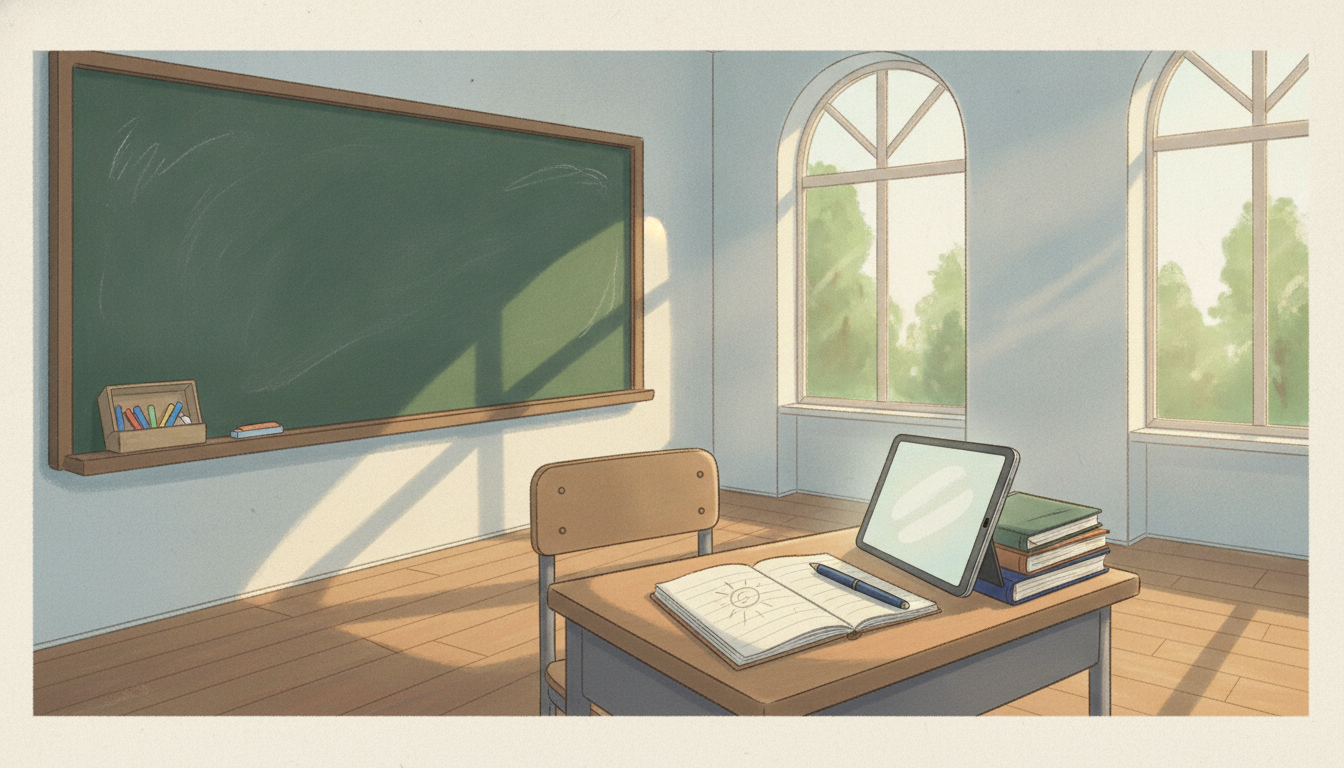
The New South Wales (NSW) government in Australia has announced plans to introduce strict limits on how much time students spend using digital screens in public school classrooms. These new rules, which will become mandatory from 2028, aim to encourage more traditional 'pen and paper' learning.
Under the new regulations, younger students in Kindergarten to Year 2 will be allowed only 15 minutes of learning on individual devices like tablets or laptops each day. Students in Years 3 and 4 will have up to 30 minutes, while those in Years 5 and 6 will be limited to 45 minutes daily. For high schoolers, screen time will be capped at a quarter of their subject time for Years 7 to 10, and up to half their learning time for senior students.
The government also plans to issue new guidelines for homework, suggesting that children younger than Year 5 should not be recommended to use screens for assignments. They will also recommend that schools dedicate at least one hour each day to learning with pen and paper.
NSW Education Minister Prue Car explained that research shows too much screen use is a problem. She noted that students are spending as much as seven hours a day on screens, and reading and writing skills have been declining. The state's chief paediatrician, Dr. Helen Goodwin, added that excessive screen time can affect healthy growth and development.
This decision follows a similar announcement from the Victorian government in Australia and comes as the federal education minister, Jason Clare, suggested that students might need a 'digital detox'. While digital literacy will still be part of the school curriculum, the new policy aims to reduce the overall impact of screen time on students.
Meanwhile, in the United Kingdom, thousands of teenagers in Bradford are taking part in a major study called the IRL (In Real Life) trial. This research aims to understand how limiting social media use affects young people's mental health. The findings from this study will help the UK government decide how to implement a social media ban for under-16s, which is expected by spring 2027.
Studies have shown that children's screen time significantly increased during the COVID-19 pandemic, with one review indicating a 52% spike between 2020 and 2022 for children aged 12 to 18. Experts suggest that extensive screen use can become a habit, making it harder to reduce later. These new policies and studies highlight a growing global concern about the effects of digital devices on young people's development and learning.
Knowledge Vault
Impact of Screen Time on Development
Screen time refers to the amount of time spent using devices with screens, such as smartphones, tablets, computers, and televisions. Research suggests that too much screen time, especially for children, can affect important daily activities that support healthy growth and development. This includes potential impacts on reading and writing skills, mental health, and physical well-being. Balancing digital learning with traditional methods and encouraging offline activities is seen as important for children's overall development.
Quick check
Three questions
Check your understanding with three questions about this story.
Practice for fun. Ask a parent to create a free family account to save your scores and badges.
What is the main goal of the New South Wales government's new screen time limits in classrooms?
- To encourage more 'pen and paper' learning and reduce excessive screen use.
- To completely ban all digital devices from schools.
- To increase the amount of time students spend on educational apps.
- To prepare students for a future where all learning is digital.
When are the new screen time limits set to become mandatory in NSW schools?
- Next year (2027)
- From 2028
- Immediately
- After a five-year trial
What did a review comparing children's screen time before and during COVID-19 show?
- A decrease in screen time by 52%.
- No significant change in screen time.
- A 52% spike in screen time between 2020 and 2022.
- Screen time only increased for very young children.
Choose your answers and check your score in the interactive quiz when it finishes loading.