
Google's AI Patent: Personalized TV Channels That Could Star You
Google has filed a patent for an AI-powered TV channel that could create shows and advertisements specially designed for you! This technology would use your viewing habits and other information to make unique content, and you might even become a star in your own personalized stories. The patent application was initially rejected, but Google can make changes and resubmit it.
By The Junior Post
Published
Recommended for ages 10+. Editorial guidance, not a guarantee of individual suitability.
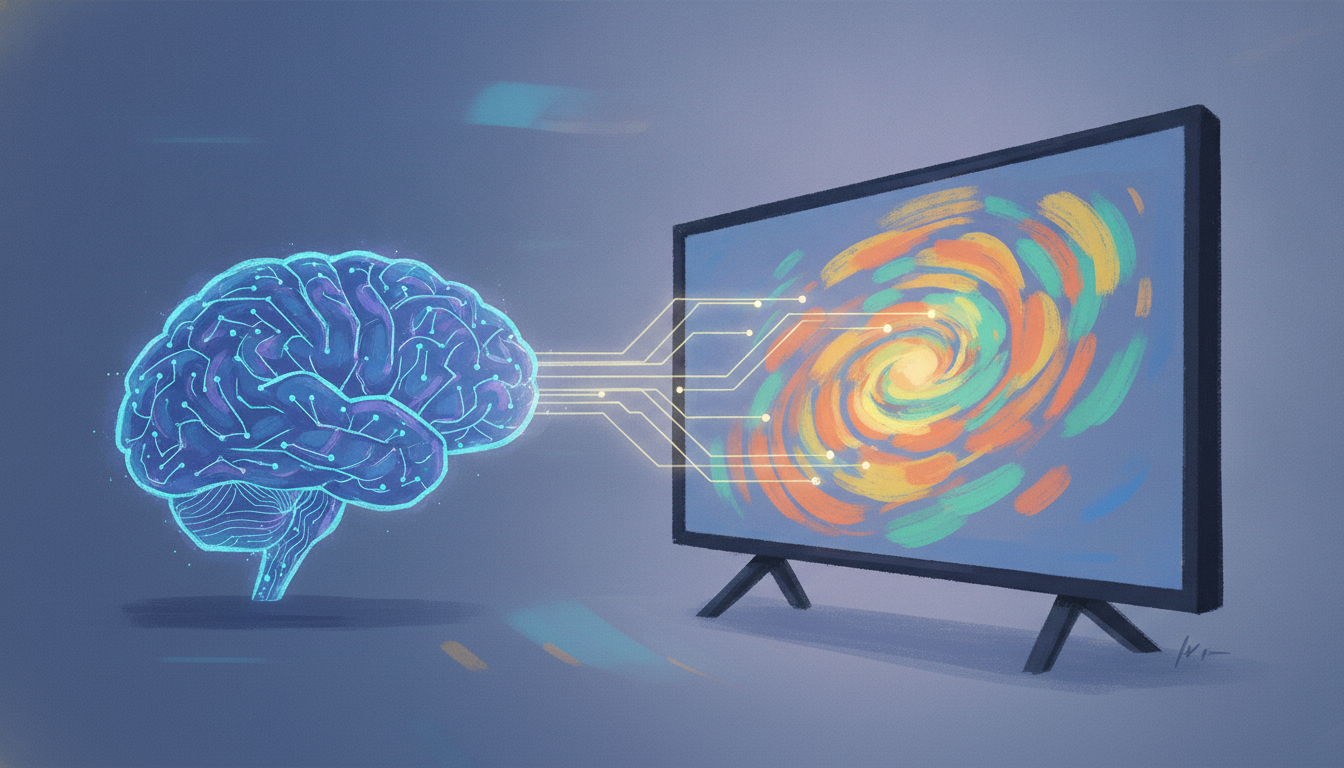
Google has filed a patent for an innovative idea: an Artificial Intelligence (AI) powered TV channel that could generate personalized shows and advertisements for each viewer. This means your TV could one day show you programs created just for your tastes, making you feel like the channel was made only for you.
The patent describes a feature called 'My Channel,' where AI would use information gathered about users. This data includes things like your video watch history, your favorite types of shows (like comedy or sci-fi), your age, and even details from your internet address. All this information helps the AI understand what you might enjoy most.
Once the AI collects this data, it creates special instructions, called a prompt, for a large language model (LLM). This LLM is similar to the technology behind AI chatbots. The model then uses these instructions to create a unique video, which is saved and can be streamed directly to your device.
One exciting possibility mentioned in the patent is that you could even become the main character, or 'protagonist,' in these personalized shows! For example, if you love watching cricket, the AI might create a video featuring your favorite player and the Cricket World Cup, with you cheering for India in the stands or even interacting with the player.
The patent also explains how advertisements would fit into this personalized experience. An 'advertising stitcher,' which is part of an advertising server, would cleverly insert ads into the customized content. This means even the commercials you see could be chosen specifically for you.
Google filed this patent in May of the year the article was published. However, Patentlyze, a website that keeps track of technology patents, reported that the application was initially rejected. The good news is that Google has the option to make changes and resubmit the patent application.
Google isn't the only company thinking about AI-generated content. Other companies like Roku, with its FairgroundTV, and TCL are also experimenting with creating streaming channels using AI. Google has not yet made an official statement about this patent filing.
Knowledge Vault
Personalized Content
Personalized content refers to media, like TV shows or advertisements, that is specially created or chosen for an individual person. This is done by using information about their past choices, interests, and other details to make the content more relevant and engaging for them.
Quick check
Three questions
Check your understanding with three questions about this story.
Practice for fun. Ask a parent to create a free family account to save your scores and badges.
What kind of information would Google's AI use to create personalized TV shows?
- User's watch history, preferred genres, and demographic details.
- The user's favorite food and shoe size.
- The user's school grades and homework assignments.
- Random facts about animals and plants.
What is the role of a large language model (LLM) in Google's patented AI TV channel?
- To manage the TV channel's finances.
- To create the video content based on prompts from user data.
- To deliver physical DVDs to users' homes.
- To write the scripts for traditional TV shows.
What was the initial status of Google's patent application, according to Patentlyze?
- It was immediately approved and launched.
- It was rejected, but Google can amend and resubmit it.
- It was put on hold indefinitely.
- It was sold to another company.
Choose your answers and check your score in the interactive quiz when it finishes loading.