
Two Young Lionesses Killed by Passenger Train in Gujarat's Rajkot District
A sad incident in Gujarat's Rajkot district saw two young lionesses, estimated to be between two and three years old, tragically killed after being hit by a passenger train. The accident happened near Jetpur, sparking renewed concerns about wildlife safety on railway tracks in the Saurashtra region.
By The Junior Post
Published
Recommended for ages 10+. Editorial guidance, not a guarantee of individual suitability.
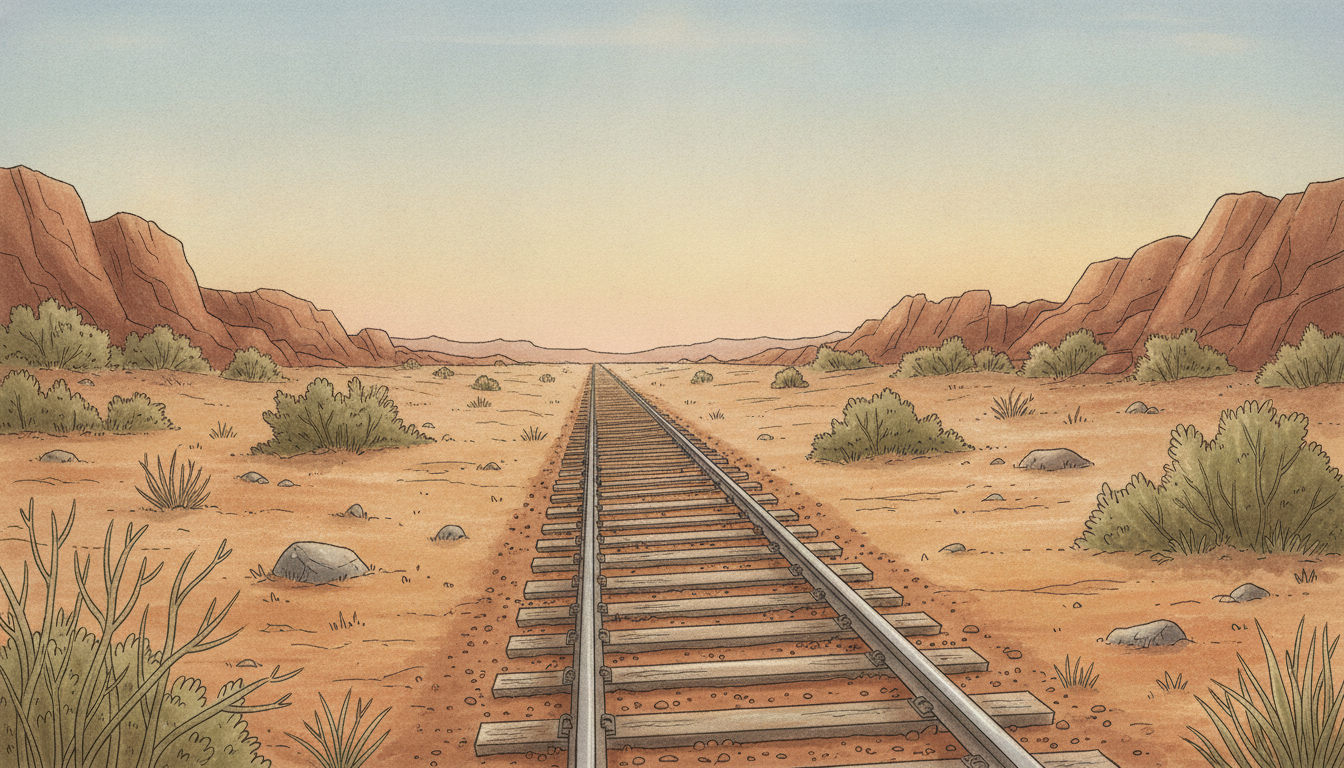
In a sad event in Gujarat's Rajkot district, two young lionesses were tragically killed after being hit by a passenger train. The incident happened near Jetpur, close to a place called Vavdi, which is about six kilometres from Jetpur railway station.
The lionesses, believed to be between two and three years old, were struck by the Porbandar-Bhavnagar passenger train (Train Number 59560) on the Dhasa-Jetalsar broad-gauge railway line. After the collision, the train had to stop, causing delays for about one and a half to two hours.
Forest officials from the Rajkot and Amreli departments quickly arrived at the scene. They recovered the bodies of the lionesses for a post-mortem examination and started an investigation to understand exactly how the accident happened.
This incident has raised serious concerns among people who care about wildlife and local residents. It's not the first time lions have died on railway tracks in the Saurashtra region, where these majestic animals live.
The Forest Department already has special rules, called Standard Operating Procedures (SOPs), to try and prevent such accidents. These rules include things like limiting train speeds, having people patrol the tracks, and tracking where lions are moving in real-time.
However, some local sources suggest that while these rules look good on paper, the actual patrolling and monitoring might only happen in certain areas. This could leave other parts of the railway tracks unprotected, especially when lions wander into new places. Joint teams are now looking into any mistakes in how the tracks are watched and are working with railway authorities to prevent future tragedies.
Knowledge Vault
Wildlife-Human Conflict
Wildlife-human conflict happens when human activities, like building railway lines, cross into animal habitats, leading to negative interactions. In this story, trains can harm animals, and animals can sometimes disrupt human activities. Finding ways to reduce these conflicts is important for animal conservation.
Quick check
Three questions
Check your understanding with three questions about this story.
Practice for fun. Ask a parent to create a free family account to save your scores and badges.
What was the estimated age of the lionesses involved in the accident?
- Between two and three years old
- Less than one year old
- Over five years old
- Their age was not mentioned
Which passenger train was involved in the incident?
- The Mumbai-Ahmedabad Express
- The Porbandar-Bhavnagar passenger train
- The Delhi-Rajkot Mail
- The Jetpur-Vavdi Local
What is one reason mentioned for why existing safety protocols might not be fully effective?
- Lions are too fast to be tracked by current technology.
- Field monitoring and patrolling are sometimes concentrated only in select areas.
- Train drivers intentionally ignore speed restrictions.
- Wildlife conservationists do not cooperate with forest officials.
Choose your answers and check your score in the interactive quiz when it finishes loading.