
U.S. Proposes New Tariffs of Up to 25% on Indian Goods Over 'Excess Capacity' Concerns
The United States has announced a proposal for new tariffs of up to 25% on goods imported from India, citing concerns about India's 'excess capacity' in manufacturing. This move, which could see the tariff reduced to 17% if a trade deal is reached, is part of a broader action against 14 economies and aims to address impacts on U.S. businesses.
By The Junior Post
Published
Recommended for ages 10+. Editorial guidance, not a guarantee of individual suitability.
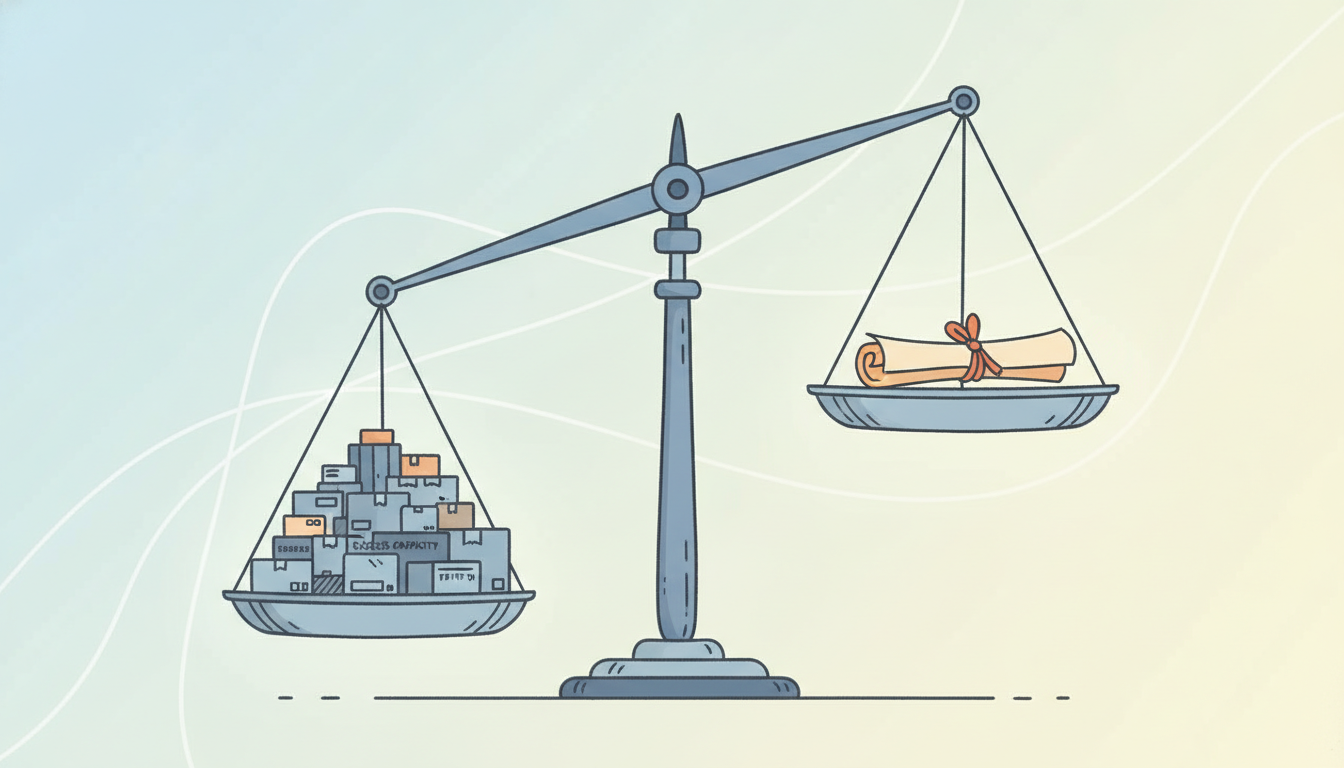
The United States government recently proposed new tariffs, or special taxes, of up to 25% on many goods imported from India. This announcement came on Wednesday, November 25, 2026, from the Office of the U.S. Trade Representative (USTR). The U.S. explained that these proposed tariffs are a response to India's policies and practices that they believe create 'structural excess capacity' and harm American businesses.
The USTR's investigation, which lasted eight months, looked into how India's industrial plans to expand manufacturing, along with other policies, might be reducing opportunities for U.S. producers and exporters. They also suggested these policies could be contributing to lost jobs and investment in the U.S. manufacturing sector.
While the proposed tariff rate is up to 25%, the USTR also mentioned a possibility for India. If India and the U.S. can agree on a 'Reciprocal Trade Agreement', this tariff could be lowered to 17%. This shows that trade discussions and agreements can change how much countries tax each other's goods.
It's important to understand how these new tariffs would work with existing ones. The U.S. already has a 10% tariff on some Indian goods due to a previous investigation into forced labor. The new 25% tariff would replace this 10% tariff, rather than being added on top of it. However, these new tariffs would not be added to other existing duties, such as the 50% tariff on aluminium and steel imports from all countries, or a temporarily paused 100% tariff related to Russian oil imports.
India's proposed tariff rate of up to 25% is the second-highest among 14 economies targeted in this latest action. Vietnam faces the highest proposed tariff at 35%, though that could also drop to 20% with a trade deal. Other countries like Japan, South Korea, and the European Union face proposed tariffs of 15%, while China faces an additional 20% duty on top of existing tariffs, bringing its total to 45%.
Before these new tariffs can officially begin, there will be a period for public comments and a hearing. Officials have suggested that the implementation of these tariffs could be pushed back to January 2027. As of the reports, India's Ministry of Commerce and Industry acknowledged the U.S. proposal, stating that India had engaged constructively throughout the investigation and that the notice was under examination.
Knowledge Vault
Tariffs and Trade Agreements
Tariffs are taxes that a government places on goods coming into the country from other countries. They can make imported products more expensive, which might encourage people to buy products made at home. Trade agreements are special deals between two or more countries that set rules for how they will trade with each other, often aiming to reduce or remove tariffs to make trade easier and cheaper.
Quick check
Three questions
Check your understanding with three questions about this story.
Practice for fun. Ask a parent to create a free family account to save your scores and badges.
What is the main reason the U.S. proposed new tariffs on Indian goods?
- To encourage more U.S. exports to India
- To address concerns about India's 'structural excess capacity'
- To increase the price of Russian oil imports
- To finalize an existing trade agreement
What could happen to the proposed 25% tariff on India if a trade agreement is reached?
- It would be added to existing tariffs, making them higher.
- It could be reduced to 17%.
- It would be completely removed.
- It would only apply to aluminium and steel.
How do the new proposed tariffs interact with the existing 10% tariffs on Indian goods?
- The new tariffs will be added on top of the existing 10% tariffs.
- The new tariffs will replace the existing 10% tariffs.
- The existing 10% tariffs will be removed, and no new tariffs will be applied.
- The new tariffs only apply to different types of goods than the existing ones.
Choose your answers and check your score in the interactive quiz when it finishes loading.