
US Considers New Tariffs, India Among Countries That Could Be Affected
Reports indicate that the US government, under the Donald Trump administration, is planning to introduce new taxes on imported goods, known as tariffs. These tariffs could affect products from several countries, including India and China, as the US looks into what it calls unfair government support for industries in those nations. The exact details, like which products will be taxed and by how much, are still being worked out.
By The Junior Post
Published
Recommended for ages 10+. Editorial guidance, not a guarantee of individual suitability.
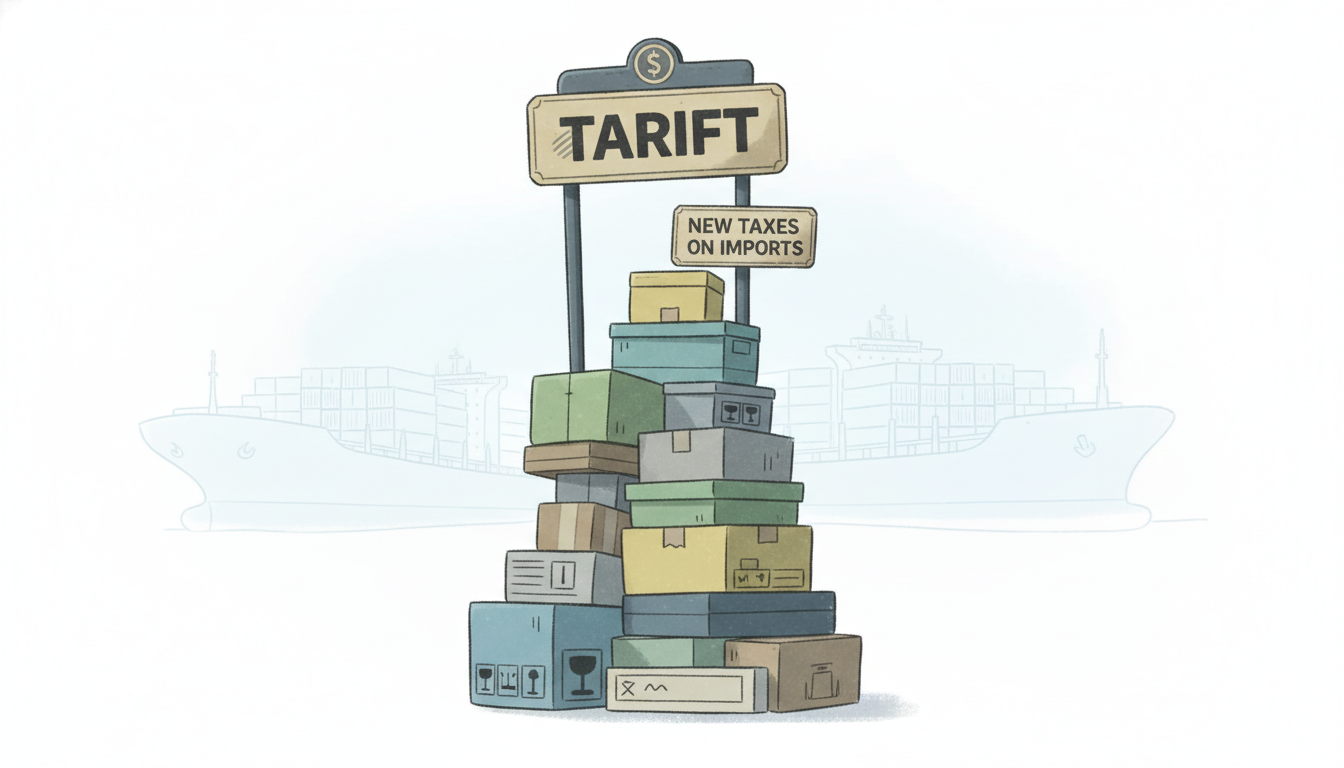
The United States government, under the Donald Trump administration, is reportedly preparing to introduce new taxes on imported goods, known as tariffs. These potential new duties are aimed at countries like China, India, and the European Union, among others, according to reports from The Wall Street Journal.
The reason behind these proposed tariffs is a months-long investigation by the US into what it considers unfair government support, or 'subsidies', for industries in these foreign countries. US officials argue that such support allows companies in these nations to produce goods at lower costs and sell them at prices that put American manufacturers at a disadvantage.
US Trade Representative Jamieson Greer is expected to announce the findings of this investigation soon, possibly as early as this week. However, the exact timing of this announcement could change. The investigation covers China, the European Union, and 14 other countries, with India also included in this broader review.
While the specific tariff rates, the products that will be affected, and when these new taxes will start are not yet known, the reports suggest that some countries might face higher rates than others. For example, India and Vietnam could see steeper tariffs compared to countries like Japan, the European Union, and South Korea, which have existing trade agreements with the US.
Certain industrial goods, such as steel, aluminium, and automobiles, are likely to be excluded from these new tariffs because they are already subject to separate duties. The Trump administration is also reportedly considering ways to increase tariffs further if countries expand their industrial overcapacity or do not make policy changes during future trade talks.
These new tariffs, if implemented, would add to existing trade measures. The US government continues to use tariffs as a key part of its economic and trade policy, which can create uncertainty for businesses and trading partners around the world. India and the US are currently in discussions to finalize a trade deal, making these potential new tariffs a significant development.
Knowledge Vault
Tariffs and Trade Disputes
Tariffs are special taxes that a country puts on goods imported from other countries. Governments use tariffs for several reasons, often to make imported goods more expensive, which can encourage people to buy products made in their own country instead. When countries disagree about trade practices, like one country giving its businesses too much help (subsidies) or producing too many goods (excess capacity), it can lead to a 'trade dispute'. Tariffs are one way a country might try to resolve these disputes or protect its own industries, but they can also make goods more expensive for consumers and create tensions between nations.
Quick check
Three questions
Check your understanding with three questions about this story.
Practice for fun. Ask a parent to create a free family account to save your scores and badges.
What is the main reason the US is reportedly considering new tariffs?
- To encourage more tourism to the US
- To counter what it sees as unfair foreign government support for industries
- To reduce the number of imported luxury goods
- To fund new infrastructure projects in the US
Which official is expected to announce the findings of the US investigation into industrial subsidies?
- The US President
- The US Trade Representative Jamieson Greer
- The Secretary of State
- The head of The Wall Street Journal
According to reports, how might India's potential tariff rates compare to those for Japan and the European Union?
- India is expected to face lower tariffs than Japan and the EU.
- India is expected to face similar tariffs to Japan and the EU.
- India could face higher tariffs than Japan and the EU.
- India will not face any tariffs, unlike Japan and the EU.
Choose your answers and check your score in the interactive quiz when it finishes loading.