
US Experiences Multiple Tech Outages Affecting Banking, Air Travel, and Email Services
The United States has experienced a series of significant technology outages over the past five days, impacting major banks, air travel, and email services. These disruptions, attributed to technical failures rather than cyberattacks, have caused widespread inconvenience for millions of users across the country.
By The Junior Post
Published
Recommended for ages 10+. Editorial guidance, not a guarantee of individual suitability.
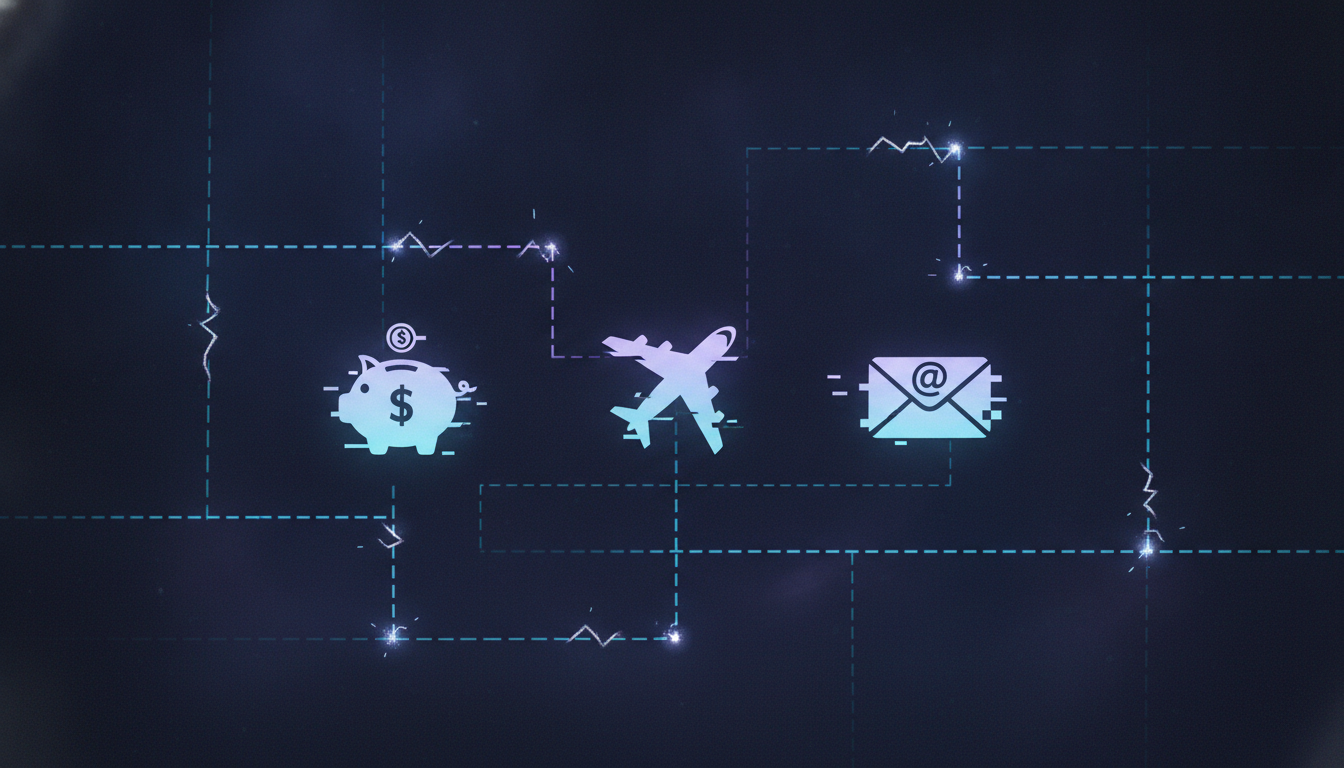
Over the past five days, the United States has faced a series of major technology outages that have affected banking, air travel, and email services for millions of people. These disruptions have been linked to technical failures rather than cyberattacks, according to the organizations involved.
On Monday, November 16, customers at several major US banks, including JPMorgan Chase, Bank of America, and Wells Fargo, reported difficulties accessing online services. JPMorgan Chase, the country's largest bank, stated that a software bug in its internal hardware systems caused delays in transactions and affected other financial institutions. While the bank confirmed that customers still had access to their accounts and funds, the issue slowed down transaction processing for much of the business day.
Adding to the week's technical troubles, United Airlines experienced a 'widespread system outage' on Monday afternoon, which temporarily delayed departing flights. The airline stated that the problem affected pilot communications and aircraft weight calculations but did not impact flights already in the air or its United Express network. United Airlines also clarified that there was no indication of a cybersecurity issue.
These banking and airline issues followed a nationwide ground stop for flights on Friday, November 13, ordered by the Federal Aviation Administration (FAA). This four-hour halt to air travel was caused by a malfunctioning router that overwhelmed the air traffic control system. US Transportation Secretary Sean Duffy indicated that the fault arose during a contractor's switch from copper lines to fiber. The disruption affected approximately 10,000 flights and led to thousands of cancellations over the weekend.
Earlier in the week, a global Microsoft outage, which began on Thursday, November 12, and extended into Saturday, affected services like Outlook, Teams, and Copilot across more than 70 countries. Microsoft attributed this widespread disruption to a combination of a months-old software bug, internal connection malfunctions, and server capacity issues, confirming it was not a cybersecurity breach.
Despite the series of outages, officials have stated that these events appear to be unrelated to each other. Meanwhile, a separate, unrelated event scheduled for Tuesday, November 17, is a nationwide test of the Emergency Alert System (EAS) by the Federal Emergency Management Agency (FEMA) and the Federal Communications Commission (FCC). This one-minute test on radio and television is a routine procedure and is not a power blackout or an emergency.
Knowledge Vault
Technical Glitches and System Failures
Technical glitches and system failures are unexpected problems or errors in computer programs, hardware, or networks that prevent them from working correctly. These can range from small errors that cause minor inconveniences to major failures that disrupt large-scale services like banking or air travel. They are often caused by software bugs, hardware malfunctions, or issues during system upgrades.
Cybersecurity vs. Technical Failure
Cybersecurity refers to protecting computer systems and networks from digital attacks, theft, or damage. A cybersecurity attack is when someone intentionally tries to harm or steal information from a system. In contrast, a technical failure is an accidental problem with the system itself, like a software bug or a hardware breakdown, not caused by an attacker. It's important to tell the difference because the solutions for each are very different.
Emergency Alert System (EAS)
The Emergency Alert System (EAS) is a national public warning system in the United States that allows authorized officials to deliver important emergency information to the public through radio and television. It is regularly tested to ensure it works correctly in case of a real emergency. These tests are routine and do not indicate an actual emergency or a planned disruption.
Quick check
Three questions
Check your understanding with three questions about this story.
Practice for fun. Ask a parent to create a free family account to save your scores and badges.
Which of the following was NOT identified as a cause for the recent US tech outages?
- A software bug in banking systems
- A malfunctioning router in air traffic control
- A cybersecurity attack
- A network capacity upgrade issue at Microsoft
What was the primary reason for the nationwide flight ground stop on November 13?
- A software bug in banking systems
- A malfunctioning router in the air traffic control system
- A global email service outage
- A planned emergency alert system test
What is scheduled for November 17, unrelated to the recent tech outages?
- A major banking system upgrade
- A new airline route launch
- A nationwide test of the Emergency Alert System
- A global internet shutdown
Choose your answers and check your score in the interactive quiz when it finishes loading.